
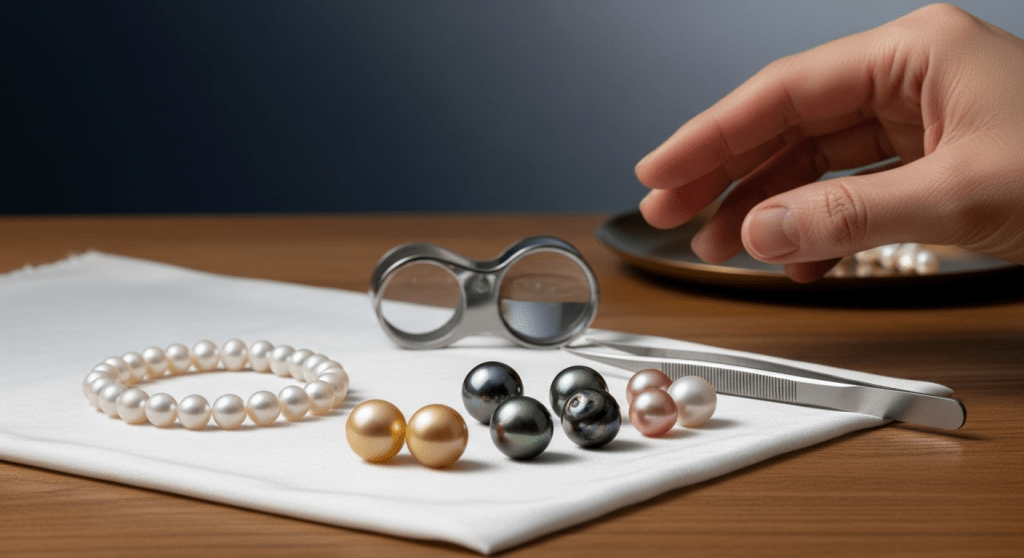
As of 2024, approximately 36% of women in North America own at least one piece of pearl jewelry, according to data from the U.S. Census Bureau. (Fortune Business Insights) This indicates a strong consumer base for pearls in the region.
Additionally, North America represented 30% of the global pearl jewelry market size in 2024, highlighting its significant role in the global market.
In fine jewelry stores, the pearl category typically accounts for 5% and can reach up to nearly 15% of the store’s annual sales volume, and with thoughtful stock balancing, retailers can ensure that this slice of business is performing at its full potential.
In many stores, it’s not unusual to find pearl pieces from an order placed several years ago still sitting quietly in the case. The designs may be beautiful, the quality exceptional — yet they haven’t found their customer. As the holidays approach, this is the perfect moment to take a step back and re-evaluate your pearl assortment.
At Mastoloni, we understand that maintaining a fresh, well-balanced inventory can be challenging. But balance is what keeps your showcases vibrant, relevant, and profitable. The goal isn’t simply to have more product — it’s to have the right mix of proven sellers, new energy, and a thoughtful range of price points. The goal isn’t simply to buy more, but to shape an assortment that moves, delights customers, and reflects today’s market.
1. Build on Your Proven Sellers
Every strong pearl program begins with foundation pieces — classic strands, simple pendants, and stud earrings. These timeless styles drive consistent sales year after year. Before adding new product, ensure these staples are well stocked. The pieces that sell steadily every season form the backbone of your profit.
2. Add Freshness and Excitement
Once the core is secure, bring in selective newness to create excitement. Even a small infusion of new designs can re-energize a case. Introduce layered looks, baroque textures, or subtle new hues to give your presentation a lift. A fresh case tells your customers your store is active, relevant, and thoughtfully curated.
3. Balance by Price Point
An ideal pearl assortment meets the needs of every shopper:
- Gift-Friendly ($250–$750): Everyday studs, petite strands, and simple drops
- Core Classics ($1,000–$3,000): Premium freshwater or Akoya strands
- Statement Pieces ($5,000+): South Sea, Tahitian, and unique multi-color designs
A range like this ensures you’re ready for both the first-time gift buyer and the established collector.
4. Review and Refine Regularly
If pearls are sitting too long, it’s time to take a closer look. Assess what’s moving and what isn’t — and ask why. Sometimes, slow movers simply need new lighting, a new pairing, or a different display story. Reassessing regularly keeps your assortment lean, purposeful, and profitable.
5. Keep the Showcase Fresh
Your cases should always feel alive. Rotate displays often, spotlight new color tones, and refresh your themes — Everyday Essentials, Golden Glow, Black Pearl Elegance. Customers notice energy, and freshness translates directly into interest and sales.
6. Plan Ahead with Intention
The most successful retailers plan their purchases around seasons and customer behavior. Review your calendar and sales data before each buying period. When you plan intentionally — rather than reactively — your pearl inventory remains balanced, relevant, and ready for peak selling moments.
7. Measuring Success and Continuous Improvement
The effectiveness of any stock balancing strategy can and should be measured. Regularly assessing your inventory performance and making adjustments based on these metrics is key to long-term success.
Key Performance Indicators (KPIs) for Pearl Inventory
Track these metrics to understand your stock’s performance:
- Inventory Turnover Rate: How quickly is your pearl inventory being sold and replaced? A higher turnover rate generally indicates healthy stock management.
- Sell-Through Rate: What percentage of your total inventory is sold over a specific period?
- Gross Margin Return on Investment (GMROI): This measures how much gross profit you are earning for every dollar invested in inventory.
- Days Sales of Inventory (DSI): How many days, on average, does it take to sell your inventory? Lower numbers are generally better.
- Sell-Through by Category: Analyze performance by pearl type, price point, or style to understand specific strengths and weaknesses.
Consistent monitoring of these KPIs provides clear insights into what’s working and what needs refinement.
8. Adapting to Market Shifts
The jewelry market, like any retail sector, is subject to shifts and changes. Staying adaptable is paramount:
- Monitor Industry Publications: Keep up with trends and analyses from reputable jewelry trade sources.
- Listen to Customer Feedback: Pay attention to what your customers are asking for, what they compliment, and what they hesitate to purchase.
- Attend Trade Shows: These events are invaluable for seeing new products, understanding emerging trends, and connecting with suppliers.
- Engage with Your Wholesaler: As your partner, Mastoloni provides ongoing market intelligence and trend insights to help you stay ahead.
Balanced Inventory. Stronger Sales.
Stock balancing is about shaping your inventory for performance — not just filling space. A curated, well-thought-out pearl assortment drives faster sell-through, healthier margins, and renewed excitement in your store.
Mastoloni is proud to partner with retailers across the country to fine-tune assortments, refresh showcases, and keep the pearl story vibrant year after year.


 Anthony The Pearl Guy
Leave a comment