
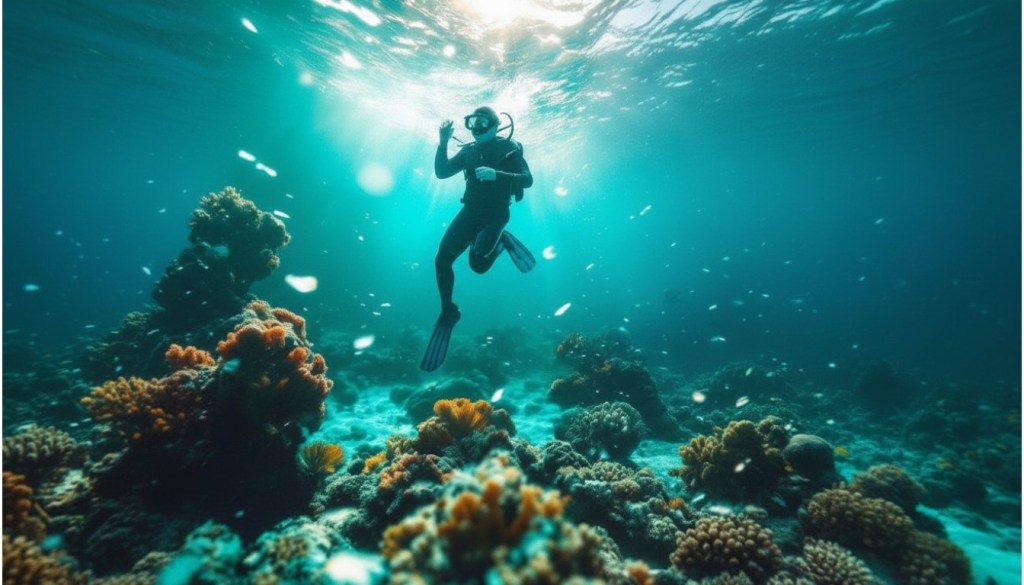
Pearl Farming Supports Healthy Oceans
Unlike mining gemstones or metals, pearl farming can have a positive environmental impact. Oyster beds act as natural water filters, improving the quality of their surrounding ecosystem.
Each oyster filters up to 50 gallons of water per day, removing excess nutrients and helping maintain balanced marine environments. Healthy oyster populations support marine biodiversity, including fish, crustaceans, and other shellfish.
This means that when a pearl farmer carefully manages their farm, the environment thrives — creating a win-win for both luxury jewelry and the planet.
Minimal Chemical Impact
Pearls are grown in living organisms, and most reputable farms avoid harsh chemicals or destructive practices. Unlike many mining operations for gold or diamonds, which can devastate landscapes and release toxic runoff, pearl cultivation relies on natural growth cycles.
Farmers may use protective nets or grow oysters in suspended baskets, ensuring minimal disturbance to the ocean floor. The result is a high-quality luxury product with a relatively low ecological footprint.
Traceability Builds Consumer Awareness
Sustainability today isn’t just about the process — it’s about transparency. Many pearl farms now provide full traceability, from the oyster bed to the jewelry case.
This traceability allows retailers and clients to know:
- Where the pearls were grown
- The farming practices used
- How oysters were cared for
- Environmental initiatives supported by the farm
Consumers increasingly want eco-conscious luxury, and being able to tell a story about the journey of a pearl from farm to client adds both authenticity and value.
Long-Term Sustainability Is Good Business
Pearl farms understand that over-harvesting or poor practices hurt both the environment and their business. By investing in sustainable oyster populations, careful water quality monitoring, and environmentally responsible farming techniques, farms ensure they can continue producing luxury-quality pearls for generations.
This contrasts sharply with industries where environmental damage can be irreversible. With pearls, the focus is on harmony between nature and commerce.
How Clients Can Make a Difference
As a jewelry buyer or collector, you can play a role in sustainability:
- Ask about sourcing: Choose pearls from farms that prioritize the environment.
- Support traceable brands: Transparency ensures the farm operates responsibly.
- Educate customers: Share the environmental story of the pearls you sell.
When clients understand that their strand of pearls isn’t just beautiful but supports healthy oceans and sustainable practices, it adds emotional value that no marketing campaign can replicate.
Final Thoughts
Pearls are more than just a luxury accessory — they’re a symbol of nature, patience, and harmony. The modern pearl industry is leading the way in environmentally responsible practices, showing that luxury and sustainability don’t have to be mutually exclusive.
When you invest in pearls, you’re not just purchasing a piece of jewelry — you’re participating in a living ecosystem that benefits the oceans, the farmers, and future generations.


 Anthony The Pearl Guy
Leave a comment